

For brands that rely on high-volume, high-quality custom labels, pricing is about more than ink and material. It reflects production strategy, material performance, finishing techniques, and operational efficiency.
At Consolidated Label, we help enterprise customers understand the full scope of label pricing so they can align packaging decisions with performance goals, brand standards, and production timelines.
What Impacts Custom Label Pricing?
Several key factors determine the cost of a custom label:
- Order quantity and run size
- Printing technology
- Material selection
- Adhesives
- Size and shape
- Finishes and embellishments
- Compliance requirements
Understanding how these variables work together allows your team to make informed decisions that improve efficiency and control long-term costs.
Order Quantity and Run Size
Run size plays a major role in cost per label.
Smaller orders typically carry a higher per-label price because setup time and material waste are distributed across fewer units. For high-volume orders, flexographic printing provides a significantly lower unit cost while maintaining strong color consistency and repeatability.
Digital printing offers flexibility for shorter runs. It eliminates plate costs and allows multiple versions to print in a single production cycle.
Digital printing works best for:
- Test batches
- Seasonal variations
- Variable data
- Frequent artwork updates
Flexographic printing works best for:
- Long runs with consistent designs
- Multi-SKU programs with repeat orders
- Projects requiring precise brand color matching
Our team evaluates your projected volume and reorder frequency to recommend the most cost-effective approach.
Material Selection and Performance
Material choice affects both price and performance. Selecting the right substrate ensures your label performs in its intended environment while supporting your brand’s visual standards.
Consolidated Label offers a wide range of materials, including:
White and metallic films
Durable and waterproof, ideal for beverage, household chemical, nutrition, and industrial applications.
Clear films
Designed for premium, no-label looks. Often paired with soft-touch matte or gloss finishes to create contrast.
Squeezable films
Engineered for flexible packaging such as tubes and squeezable bottles.
Estate and textured papers
Popular in wine, spirits, and gourmet food markets where tactile presentation matters.
In general, synthetic films cost more than paper materials due to durability, moisture resistance, and performance coatings. Paper options provide a cost-effective solution for dry, indoor applications.
Your application environment should guide your decision, not just the initial price.
Adhesives and Application Environment
Adhesive selection also impacts pricing and performance.
Options include:
- Permanent adhesives for long-term durability
- Removable adhesives for temporary applications
- Aggressive adhesives for textured, cold, or challenging surfaces
Choosing the correct adhesive reduces application issues, product returns, and relabeling costs.
Finishes and Embellishments
Premium finishes enhance shelf impact but add production complexity.
Available options include:
- Soft-touch matte
- Spot gloss
- Cold foil
- Tactile accents
These enhancements elevate brand perception, especially in competitive categories such as beverage, cannabis, nutrition, and retail food. Strategic use of embellishments allows you to create contrast and visual hierarchy without unnecessary cost.
Digital vs. Flexographic Printing
Consolidated Label supports both digital and flexographic printing, allowing enterprise customers to match technology to business goals.
Digital Printing
Advantages:
- No plate costs
- Fast turnaround times
- High-quality, full-color output
- Efficient versioning and variable data
Considerations:
- Higher per-label cost at scale
- Some substrate limitations
Digital printing supports product launches, promotional campaigns, and brands that update artwork frequently.
Flexographic Printing
Advantages:
- Lower cost per label at higher volumes
- Compatible with a wide range of materials and finishes
- Consistent brand color matching
- Efficient long-run production
Considerations:
- Initial setup investment
- Longer setup time
For established SKUs with predictable volume, flexographic printing often delivers the strongest long-term value.
Label Budget Planning Checklist
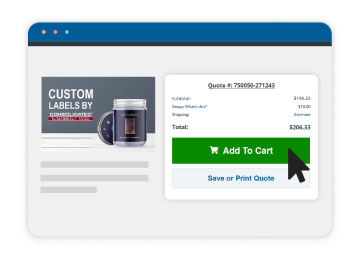
Before requesting a quote, review the following considerations to streamline pricing and production:
- Label quantity per SKU
- Total number of SKUs
- Material requirements
- Adhesive type
- Label size and shape
- Finish or embellishment needs
- Regulatory or compliance requirements
- Order frequency and reorder cadence
- Storage, shipping, and fulfillment processes
Providing clarity in these areas allows our team to deliver accurate pricing and realistic timelines.
Aligning Label Strategy With Business Goals
Label pricing reflects strategic production decisions. When artwork, materials, run size, and reorder planning align, brands reduce waste, improve efficiency, and protect margins.
Consolidated Label partners with enterprise customers across beverage, cannabis, nutrition, household products, retail grocery, and manufacturing to support complex labeling programs. From quoting through production and delivery, our team focuses on reliability, quality control, and responsive service.
If you are preparing for a large production run, launching a new product line, or upgrading to premium finishes, our representatives can help you build a labeling strategy that supports both brand growth and operational efficiency.